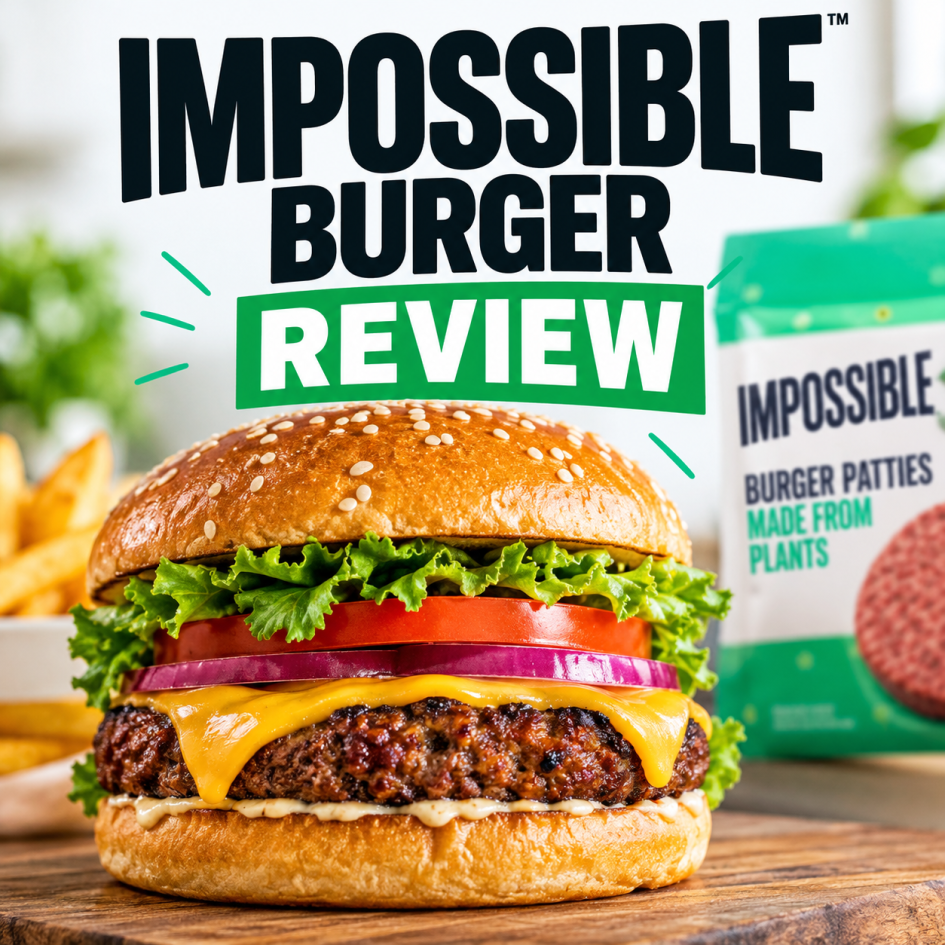
The Impossible Burger has become one of the most recognisable plant-based alternatives to traditional beef burgers. Developed by Impossible Foods, it aims to recreate the taste, texture and appearance of real beef without using animal meat. With the brand launching its products in selected Tesco supermarkets across the UK in September 2026, more British shoppers can now try the range at home. But is the Impossible Burger genuinely worth buying, and does it live up to the hype?
Taste and Texture
One of the biggest selling points of the Impossible Burger is its ability to replicate the experience of eating beef. Unlike traditional vegetable burgers, which often have a noticeable bean or vegetable flavour, Impossible uses soy protein, plant-based oils and soy leghemoglobin to create a more meat-like taste and texture.
When cooked properly, the patty develops a browned exterior and a savoury, juicy centre. Its firm texture also helps it hold together during cooking, making it suitable for grilling or frying. Served in a toasted bun with lettuce, tomato, onions and your favourite sauce, it offers a convincing alternative to a conventional beef burger.
However, it is not an exact replacement. Some people may notice differences in flavour, juiciness and mouthfeel, particularly when comparing it directly with a freshly cooked beef patty.
Ingredients and Nutrition
The Impossible Burger is primarily made from water, soy protein concentrate, coconut oil and sunflower oil, alongside flavourings and other ingredients that help recreate the characteristics of meat.
Its nutritional profile is another consideration. According to Tesco’s UK listing, each 113g patty contains approximately 226 calories, 18g of protein and 4.6g of fibre. It also provides vitamin B12, iron and zinc, making it a useful option for people following plant-based diets.
However, the burger is not automatically healthier than beef. Each patty contains approximately 6.8g of saturated fat and 0.95g of salt. It is also a processed food and contains soy, which is a common allergen. Anyone prioritising minimally processed ingredients may prefer homemade burgers made from beans, lentils or vegetables.
Availability and Value for Money
Impossible Foods’ UK supermarket launch makes its products more accessible to shoppers who previously had limited opportunities to purchase them locally. The range includes plant-based burger patties alongside other meat alternatives, although availability varies between stores.
Whether the Impossible Burger represents good value depends on its price compared with conventional beef and competing plant-based products. Its appeal lies in offering a meat-like experience without animal meat, rather than necessarily being the cheapest option available.
Potential Drawbacks
Despite its strengths, the Impossible Burger has a few limitations. Its ingredient list is longer than that of a simple homemade vegetable patty, and its saturated fat and salt content deserve consideration. It also contains soy, making it unsuitable for people with a soy allergy.
Furthermore, people expecting an identical substitute for premium beef may still notice differences. Environmental benefits are another attraction, although the overall impact depends on production methods and the product used for comparison.
Final Verdict
Overall, the Impossible Burger is worth trying if you want a plant-based burger that closely resembles beef in taste and texture. Its protein content, versatility and increasingly accessible UK availability make it an appealing option for vegetarians, vegans and curious meat eaters alike.
However, it is not automatically the healthiest or cheapest burger on the market. Check the nutritional information, compare prices and consider your dietary requirements before buying.
The verdict: The Impossible Burger is a strong choice for anyone seeking a convincing meat alternative, provided you value its flavour and texture more than having a short ingredient list or the lowest possible price.
Leave a Reply